

Chicago's Top Rated Local® Before & After School Care
Active Play and Your Child’s Development
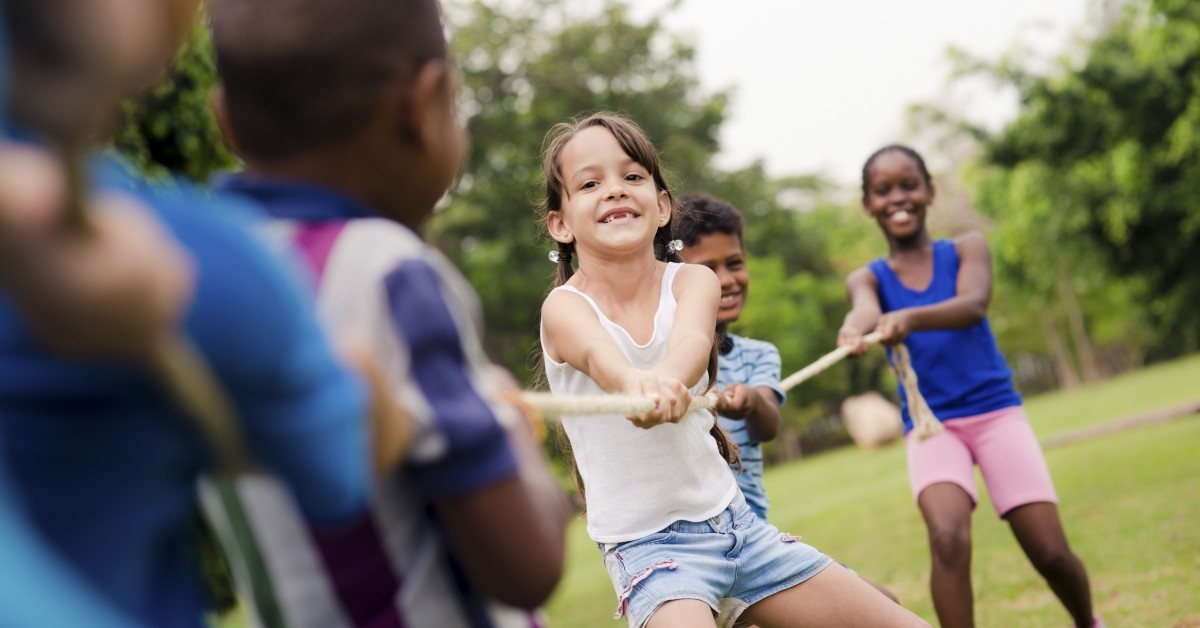
Encouraging exercise and physical activity for children starting at a young age sets them up for success as they get older. In fact, active play is a key aspect of their development — along with providing many benefits for their overall health. Learn more about what active play is and what role it plays in your child’s development.
At Just For Kids in Chicago, we provide child care for children of all ages, including before and after school care and summer camps. Find a great way for your child to interact with their peers and get the active play and developmental time they need to flourish. Sign up today!
What Is Active Play?
Did you know that, according to the Mayo Clinic, children over the age of six should be getting at least an hour of moderate or vigorous exercise every day? Encouraging active play can help your child achieve that active play they need. In fact, even from the time they’re an infant, you want to encourage daily movement and activity:
- For an infant (up to one year old), this could look like playing with toys that encourage them to move.
- For toddlers (one to three years old), this could be an hour of outside, unstructured playtime.
- For preschoolers (three to five years old), this could look like 60 minutes of structured physical activity, whether it’s inside or outside.
But what do we mean by “active play”? Active play is a type of physical activity for children that involves bursts of moderate to intense play. This can include things like running, jumping, crawling, or moving. The goal of this type of play is to raise the child’s heart rate and give them a powerful workout.
What Does Active Play Do for Children’s Development?
When a child is active more — even meeting the recommended 60 minutes a day — they are helping their body develop physically. This includes strengthening their bones, muscles, brain, and the connection between those different areas of their body.
When active play becomes a daily routine, they are also reducing their risk of becoming overweight, along with decreasing their chances of health problems when they get older. This also includes mental health problems. In fact, studies have shown that certain mental health problems can stem from obesity in children, including low self-esteem, bullying, stress, and other emotional tolls.
Beyond that, your child is developing good habits by completing a task every day, whether their physical activity is structured or unstructured.
Older children — over the age of six — can learn more complex skills from active play. Forms of active play like sports lets them challenge themselves and learn how to work on a team. This type of active play is great when balanced with unstructured opportunities, like when they choose to play with their friends.
Less Screen Time
Screen time for children has become normalized, especially with the amount of learning that can be done using technology. But that doesn’t mean your child should spend every day in front of a screen. In fact, the American Academy of Pediatrics has released recommendations for how long your child should spend in front of the screen each day:
- Media use in children younger than 18 to 24 months is discouraged.
- Aim for high-quality interactions — no solo screen time — in children aged 18 to 24 months.
- Plan one hour a day of high-quality programming for children between the ages of two and five.
From there, they suggest limiting screen time where possible, paying attention to the time and type of programming or media they interact with on a day-to-day basis. Ultimately, active play is a great way to make your children take a break from the screen and engage in another activity that is extremely beneficial for their overall health and development.
Fundamental Movements Skills
Children also learn something called fundamental movement skills (FMS) through active play. These skills are broken into three types, including:
- Locomotor — moving through space
- Non-locomotor — things like stretching and balancing
- Manipulative — throwing, kicking, and catching
Children start developing these skills when they’re just infants. Other programs, like summer camp, child care, and before and after school care, can provide additional spaces for your child to engage in active play and further improve their different FMS.

Get Child Care in Chicago
We hope that you have a better understanding of the role active play has in your child’s life and development. The most important thing to make sure your child is given plenty of opportunities to learn through play, structured and unstructured.
If you’re looking for a child care space that also fosters active play, choose Just For Kids in Chicago. We have a wide range of active play activities to our focus on other development, including social skills and academic performance. Enroll your child today or contact us with any questions about our child care services!